• Home
  • About
  • Members
    • Column 1
      • Capital Region Land Conservancy
      • Conserve Spout Run
      • Clarke County Virginia Conservation Easement Authority
      • Elks Run Watershed Coalition
      • Friends of the Blue Ridge Mountains
    • Column 2
      • Friends of the Shenandoah River
      • Goose Creek Association
      • Sleepy Creek Watershed Association
    • Column 3
      • The Downstream Project
      • Whitescarver Natural Resources Management
      • Virginia’s United Land Trust
  • Water Reporter
  • Network Map
  • Video Library
  • Join The Network!
Downstream Network SiteDownstream Network Site
  • Home
  • About
  • Members
    • Column 1
      • Capital Region Land Conservancy
      • Conserve Spout Run
      • Clarke County Virginia Conservation Easement Authority
      • Elks Run Watershed Coalition
      • Friends of the Blue Ridge Mountains
    • Column 2
      • Friends of the Shenandoah River
      • Goose Creek Association
      • Sleepy Creek Watershed Association
    • Column 3
      • The Downstream Project
      • Whitescarver Natural Resources Management
      • Virginia’s United Land Trust
  • Water Reporter
  • Network Map
  • Video Library
  • Join The Network!

FOSR Report: Risks of biosolid fertilizer application on water quality

Home Friends of the Shenandoah RiverFOSR Report: Risks of biosolid fertilizer application on water quality
Friends of the Shenandoah River

FOSR Report: Risks of biosolid fertilizer application on water quality

March 4, 2014 Friends of the Shenandoah River
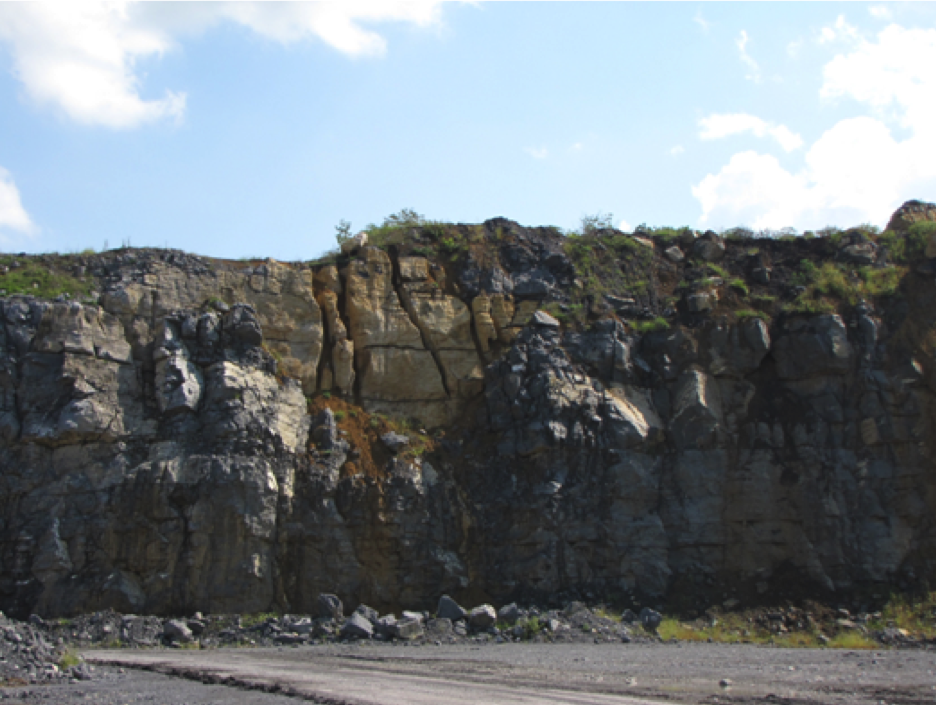
karst

A good look at Karst topography

How does nitrogen get in the streams of the Shenandoah Valley?

The water quality data compiled from this FOSR 2013 study in Clarke County, Virginia indicate that springs located near fields or areas where biosolids have been applied have higher Nitrate concentrations than those springs located in areas where biosolids have not been applied.

Download the full report in PDF

This study was conducted by Friends of the Shenandoah River with cooperation of Clarke County and the willingness of landowners who gave access to the springs. Funds for the study were granted to Alison Teetor by the 2013 Citizen Water Quality Monitoring Grant Program, from the Virginia Department of Environmental Quality, and from the Chesapeake Bay Restoration Fund. Chemical analyses were conducted by Karen Andersen and Molly Smith. Ben Sawyer performed GIS measurements and helped with hydrologic analyses. John Young USGS Leetown, WV loaned a stream flow meter. Richard Marzolf helped write this report.

The post FOSR Report: Risks of biosolid fertilizer application on water quality appeared first on FOSR.

Share
0

You also might be interested in

Help WV Rivers – Are you a Federal Employee or Know Someone Who Is

Help WV Rivers – Are you a Federal Employee or Know Someone Who Is

Jan 11, 2023

Donate to WV Rivers through the Combined Federal Campaign There’s[...]

What do You want to Learn about Grassroots Advocacy

What do You want to Learn about Grassroots Advocacy

Jan 18, 2023

What do You want to Learn about Grassroots Advocacy What[...]

Clarkson: Funding up for Renewal

Clarkson: Funding up for Renewal

Jul 10, 2018

Thanks to VCN for organizing a James River National Wildlife[...]

Network Members

  • Capital Region Land Conservancy
  • Clarke County Virginia Conservation Easement Authority
  • Conserve Spout Run
  • Elks Run Watershed Coalition
  • Friends of the Blue Ridge Mountains
  • Friends of the Shenandoah River
  • Goose Creek Association
  • Sleepy Creek Watershed Association
  • The Downstream Project
  • Whitescarver Natural Resources Management

Recent Network Posts

  • WV Public Lands: October Edition
  • WV Public Lands: October Edition
  • WV Rivers Coalition Challenges State Attorney General’s Investigatory Subpoena
  • A Night to Celebrate the Mountain: TeKrony and Kaine Honored
  • New Technical Advisory Council Brings Expertise to Water Protection in West Virginia

Network Posts Archive

Contact Us

We're currently offline. Send us an email and we'll get back to you, asap.

Join us Today! Learn More

Find Us on Facebook and Twitter

© 2026 · The Downstream Network

Prev Next

Press Enter to search · Esc to close